
Hormone Therapy Isn’t What You’ve Been Told
But what we understand today is very different.
In this short video, I walk you through what’s changed, what’s now considered safe, and how we approach hormone support in a more personalized, physiology-based way.
Many women were told that hormone therapy was unsafe — and for years, that message shaped how we approached menopause.

Perimenopause & MenopauseSupport
A personalized, physiology-based approach with options that fit your values, comfort level, and goals. Perimenopause and menopause can bring real, disruptive symptoms from cycle changes to sleep issues, mood shifts, bloating, vaginal dryness, metabolic changes, and unpredictable hormonal swings. There is no “one right way” to navigate this transition. Every woman’s physiology, history, stress load, nutrition, liver health, and goals are different.
On this page, you’ll find three care pathways you can choose from:
Bio-Identical Hormone Therapy (BHRT) Only
BHRT + Natural Support (Combination Approach)
Natural Support Only (Non-Hormonal)
All three options are evidence-informed and can be matched to your comfort level and health goals. And importantly you can switch options at any time.

What Is BHRT?
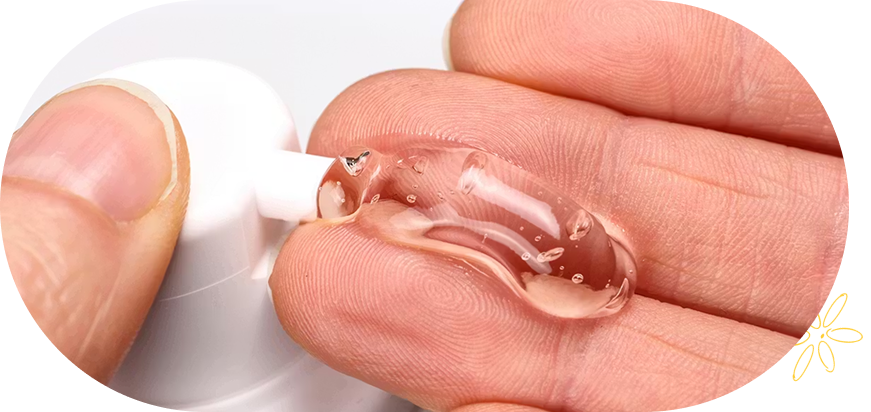
And how it differs from conventional/synthetic hormone therapy
Bio-identical hormone therapy (BHRT) uses hormones that are structurally identical to the hormones your own body produces, such as estrogen and progesterone. Because the molecular structure matches human hormones, your body recognizes and metabolizes them in the same way it does naturally occurring hormones.
BHRT can be delivered through various forms including topical estrogen, transdermal patches, vaginal estrogen, or vaginal progesterone suppositories.

How Bio-Identical Hormones Differ From Synthetic Hormones
Bio-identical hormones
Have the same molecular structure as human hormones
Are typically derived from plant sources and processed to match human physiology
Are metabolized along the same pathways as your own estrogen and progesterone
Tend to be used at physiologic (not supraphysiologic) doses
Allow for individualized dosing and combination options
Conventional (synthetic) hormones include things like:
Synthetic progestins (e.g., medroxyprogesterone acetate)
Synthetic or non-bioidentical estrogens (e.g., ethinyl estradiol in birth control pills)
These differ from your natural hormone structure, and the body metabolizes them in different ways. They have appropriate uses and may be recommended by some healthcare providers, but they are not the same as bio-identical options.
Why Some People Prefer BHRT
Many patients choose BHRT because they want an approach that:
more closely matches natural physiology
allows for tailored doses
aligns with how the body naturally processes hormones
can be adjusted more precisely based on symptoms and goals
offers options depending on your comfort level (topical, vaginal, or oral via MD/NP)

Harmone Care Your Three Care Pathways
-
Focused hormone support using bio-identical options
-
Combination Approach — the “best of both worlds” for many women
-
Non-Hormonal Perimenopause + Menopause Support

A Few Important Notes
Follow-ups are used to review your symptom tracker, interpret lab results, evaluate progress, and refine your treatment plan.
No Option Is “Better.”
Your physiology, comfort level, medical history, symptoms, and preferences guide the choice. You can start anywhere and change direction at any time.
You Are Always In The Driver’s Seat.
My role is to guide, evaluate, and support. Your role is to choose the pathway that aligns with your values and your expectations.
Many Women Shift Approaches Over Time.
Starting natural → adding BHRT during high-symptom phases
Starting BHRT → adding liver/gut support for better results
Starting combination → simplifying to BHRT-only when life gets busy
Your plan grows and adapts with you.
All Pathways Include
a thorough intake
a personalized treatment plan
digital symptom tracking
follow-up care
education at every step
a complimentary 15-minute treatment-plan review call
BHRT Monitoring & Safety
What You Need to Know

Hormone therapy works best when it is monitored carefully. To prescribe safely and accurately, I use two essential tools:
Hormone bloodwork (objective data)
Digital symptom tracking (subjective, real-world data
Both pieces matter. Bloodwork shows what your hormones are doing your symptom tracking shows how your body is responding. Understanding this ahead of time helps ensure nothing feels unexpected during your care.

How We’ll Work Together
Where You Can Complete Your Bloodwork
You may complete your bloodwork at:
LifeLabs
Dynacare
Any other private lab available in your area
Choose whichever location is most convenient.
All ND-ordered bloodwork in Ontario is out-of-pocket. These are pass-through costs Dr. Kate does not add any markup.
Bloodwork Needed for BHRT Prescription Refills
To safely continue estrogen or progesterone therapy, I typically require just two hormone markers:
Estradiol (E2)
Progesterone (P4)
These are the only labs needed for most routine BHRT refills.
Typical Ballpark Costs (2026)
Estimated total cost for Estrogen + Progesterone (most patients):
LifeLabs & Dynacare: ~$59
Why These Two Tests Matter
These markers help ensure that:
Your BHRT dosing remains safe
Estrogen and progesterone are in balance
There is no over- or under-dosing
Your hormone levels match your symptoms and clinical picture
Bloodwork Recommended Shortly After Your Initial Visit
To safely continue estrogen or progesterone therapy, I typically require just two hormone markers:
Estradiol (E2)
Progesterone (P4)
These are the only labs needed for most routine BHRT refills.
Typical Ballpark Costs (2026)
Estimated total cost for Estrogen + Progesterone (most patients):
LifeLabs & Dynacare: ~$59
Why These Two Tests Matter
To fully understand your hormonal physiology especially if symptoms are complex I often recommend a Female Hormone Panel, which may include:
Estradiol
Progesterone
FSH
LH
Testosterone
DHEAS
SHBG
Typical cost: $85–$120 + collection fee
Preferred Timing for Refill Bloodwork
For BHRT renewals, I prefer hormone labs drawn within the past 4 weeks whenever possible.
This provides the clearest, most clinically accurate snapshot for dosing decisions.
In very stable, long-term cases, labs up to 3 months old may be acceptable, but newer testing is always better for precise adjustments.
Laboratory Test for
Prescribing BHRT
When to Test?
If you are still cycling:
Day 21 is ideal if your cycles are still predictable and we want to assess luteal-phase progesterone
If cycles are irregular, unpredictable, or long, testing any day is fine
If you are no longer cycling:
You may test any day
Early treatment or dose changes
Every 3 months
Once stable
Every 6 months
Long-term stable patients
Every 9-12 months may be appropriate if:
Dose has been unchanged for a long time
Symptoms remain steady
Previous labs have been consistently stable
This helps balance thorough monitoring with practicality and cost.
How Often Will You Need Bloodwork?
Using Bloodwork From Other Healthcare Providers
You are welcome to submit labs ordered by your:
Family doctor
Nurse practitioner
OB-GYN
Endocrinologist
I can use these results for BHRT refills if:
They are recent enough (ideally within 1–2 months)
They include the necessary markers
Timing aligns with your cycle (if still cycling)
Results match your symptom picture
If an external test is missing one or two markers, I will only request the additional tests needed, not the entire panel again.
This avoids duplicate testing and unnecessary costs.

Can Dr. Kate Order Bloodwork Before My First Visit?
No. Naturopathic doctors in Ontario must first establish a practitioner–patient relationship, which begins after your initial appointment.
However:
You may ask your MD/NP to order tests ahead of time (covered by OHIP).
I can tell you what to request, but they must submit the lab requisition.
Here is the step-by-step process so you know exactly what to expect:
1. Your first visit (90 minutes)
We review your symptoms, medical history, menstrual changes, sleep, stress, digestion, metabolic patterns, and goals. We also review any labs you already have.
2. You receive your personalized treatment plan
This arrives within 1–2 business days after your initial appointment.
3. At the same time, I create your lab requisition
Once we meet I send you a lab requisition from:
LifeLabs
Dynacare
Requisitions for your nearest private lab
You choose whichever lab is most convenient.
4. You complete your bloodwork
LifeLabs and Dynacare usually process results within 48–72 hours, depending on the clinic and test volume.
5. Your complimentary 15-minute follow-up call
This call is scheduled during your initial visit for a time shortly after your lab results are expected.
During this call, we:
Review your treatment plan
Identify whether BHRT is appropriate
Confirm the correct dosing strategy based on symptoms + labs
6. Once your bloodwork is reviewed and we have our 15-min follow-up phone call, I send your prescription
If BHRT or thyroid medication is appropriate, I send the prescription to a:
Compounding pharmacy that ships directly to you (they will call you to organize payment and shipping), or
Local pharmacy of your choice, if you prefer
Most compounding pharmacies offer delivery, and patients usually receive their medication shortly after.
What Happens After Your First Appointment

Does Extended Health Insurance Cover Lab Testing?
Coverage varies widely between insurance providers.
1. ND-Ordered Private Labs (LifeLabs, Dynacare, etc.)
These are usually not covered by employer health insurance plans because the labs are billed directly to the patient as private services. However, some extended plans — typically higher-tier plans — may reimburse a portion if your plan includes:
a “Health Spending Account (HSA),” or
coverage for “diagnostic testing ordered by a licensed practitioner.”
Patients should check the wording of their policy or contact their insurer to confirm.
2. A small number of plans may cover:
Hormone testing
Nutrient testing
Other diagnostics
…but this depends entirely on the employer’s benefit structure.
My Philosophy
You deserve care that is thorough, compassionate, rooted in physiology, and tailored to your unique story. My goal is to help you understand your body clearly, feel supported at every step, and move toward feeling better in a way that is sustainable and meaningful.