
Gut Health Support
Whether you arrived here from the digestive pattern quiz or you’ve simply been struggling with ongoing gut symptoms, the next step is not more guessing.
A gut health visit can help clarify what may be driving your bloating, constipation, loose stools, gas, reflux, food reactions, or digestive discomfort — and whether breath testing, targeted digestive support, or a more individualized plan makes sense.
Many people come in after being told things like “everything looks normal,” “it’s probably IBS,” or “just avoid certain foods” — but they still feel like something is being missed.

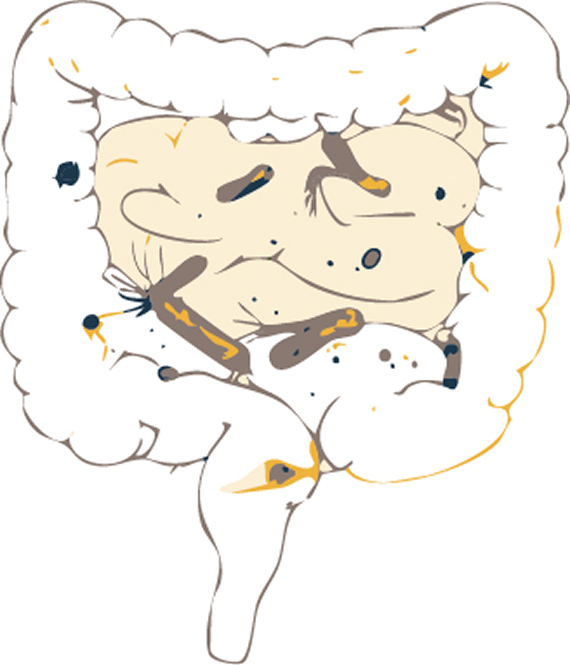
You Don’t Have to Navigate Digestive Issues Alone
Whether you’ve struggled with IBS for years, suspect SIBO, or simply want a clearer understanding of your gut health, we can create a plan that makes sense of your symptoms and supports healing in a structured, realistic way.
Your symptoms may not “just IBS.”
There is a reason and together, we’ll find it.

What a Gut Health Visit Looks Like
Whether you have IBS, suspected SIBO, chronic bloating, reflux, constipation, diarrhea, or simply a sense that your digestion is not functioning well, I take a structured, physiology-based approach.
During your first visit, we’ll review:
your digestive history
bowel patterns and symptom timing
food reactions and triggers
previous testing, bloodwork, imaging, supplements, and medications
motility, stomach acid, bile flow, and digestive enzyme patterns
stress physiology and gut–brain factors
whether SIBO breath testing, bloodwork, or referral is appropriate
After your visit, you’ll receive a personalized treatment plan with clear next steps. Depending on your symptoms, this may include:
dietary strategies tailored to your pattern
targeted supplements to support bloating, motility, and digestion
a phased SIBO treatment approach, if appropriate
support for stomach acid, bile flow, or pancreatic enzymes
gut–brain and stress regulation strategies
clear sequencing so you know what to do first, second, and third
All digestive patients also receive access to a secure symptom tracker so we can monitor bloating, bowel patterns, gas, abdominal pain, reflux, food triggers, sleep, stress, energy, and mood correlations over time.
When IBS Isn’t the Whole Story
“IBS” is a symptom label not a diagnosis that explains the root cause.
IBS-type symptoms may include:
Bloating or fullness
Constipation, diarrhea, or alternating patterns
Gas or abdominal pressure
Discomfort after eating
Unpredictable bowels
Food sensitivities
But the real question is: what’s driving these symptoms?

SIBO: Small Intestinal Bacterial Overgrowth
SIBO occurs when bacteria grow in the small intestine where they shouldn’t be, leading to fermentation, gas production, inflammation, and motility changes.
SIBO can look identical to IBS.
Common symptoms include:
Bloating that worsens through the day
Gas and distention after meals
Constipation or diarrhea
Reflux or upper abdominal pressure
Nausea or early fullness
Increased reactivity to foods
Fatigue and brain fog related to meals
Symptoms worse with stress or irregular eating patterns
Not all IBS is SIBO, but SIBO can look very similar to IBS — which is why pattern recognition and testing may be helpful in some cases.
Before We Begin: Saftety First

Some digestive symptoms need medical assessment first, especially if there are red flags or if inflammatory bowel disease, celiac disease, infection, or another medical condition has not been ruled out.
If appropriate, we may discuss whether additional medical testing or referral is needed before starting a digestive treatment plan.
SIBO Breath Testing
In some cases, I may recommend a SIBO breath test to help clarify whether hydrogen, methane/IMO, or hydrogen sulphide patterns may be involved.
Testing is completed at home through a specialty lab and may help guide a more targeted treatment plan.
Testing is optional and depends on your symptoms, history, and goals.
Approximate cost: $230, paid directly to the lab.
Follow-Up Visits
Follow-up visits are typically scheduled every 4–6 weeks, depending on your symptoms, testing, treatment plan, and how quickly we need to adjust.
Follow-ups may include:
✓ Reviewing symptom tracking patterns
✓ Reviewing breath test or bloodwork results
✓ Adjusting supplements, food strategy, or treatment timing
✓ Supporting food reintroduction
✓ Troubleshooting flares or setbacks
✓ Reducing relapse risk and supporting long-term stability